A Publisher's Review: Deer Heart SVG for Craft and Graphics Content
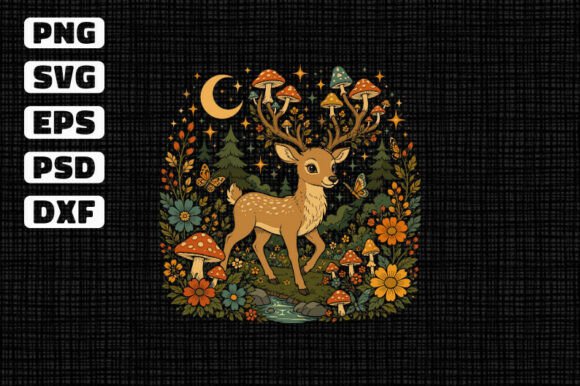
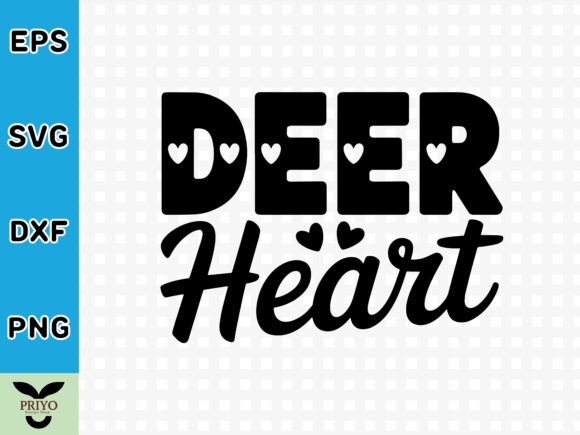
As someone who has designed blog layouts and curated digital content for years, my first reaction to the Deer Heart SVG is a sense of clean, nature-inspired elegance. This graphic design asset immediately establishes an editorial mood that is artistic, gentle, and slightly feminine. It feels lifestyle-focused, leaning towards niches like creative hobbies, mindful living, nature blogging, and craft-based small businesses. The design isn’t overly playful or cartoonish, which means it can support content that needs to feel authentic and visually polished, building reader trust through a consistent, appealing aesthetic.
Fitting the Deer Heart SVG into a Real Publishing Workflow
Imagine you’re preparing a week’s content for a craft blog or a creative lifestyle website. This SVG isn’t just a decorative piece; it’s a versatile tool for visual communication across multiple platforms. Its simplicity means it can be adapted without losing its core identity.
For a blog post featuring a DIY tutorial or a nature-inspired essay, the Deer Heart SVG makes for an excellent featured image base. Adding a headline over it creates an immediate visual hierarchy, drawing the reader’s eye. This stronger first impression directly supports better click-through potential from social media or search results. For Pinterest graphics, its clear shape and potential for soft color palettes make it ideal—Pinterest pins thrive on identifiable, attractive silhouettes that stand out in a busy feed.
Beyond the Blog Post: Editorial Accents and Digital Products
My publishing work often extends into downloadable resources and email marketing. Here, the Deer Heart SVG shines as a branding element. Use it as a subtle watermark on digital guides or worksheets. It can form the central art for a lead magnet cover, signaling the content’s creative or craft-oriented nature instantly. For newsletter headers or dedicated category visuals on your website, this asset provides a recognizable icon that improves category recognition for your readers.
In affiliate marketing content, where visual trust is paramount, using a consistent, professional-looking graphic like this on comparison pages or resource lists elevates the entire page’s feel. It moves away from generic stock imagery, offering a stronger visual identity that aligns with your niche. It’s also a perfect candidate for creating a set of branded Canva templates for your audience or for your own recurring content formats, ensuring every output looks cohesively designed.
Where This Design Asset Supports Content Performance
The true value of a graphic like Deer Heart SVG in content publishing is its multifunctional role in improving presentation. A clean SVG file allows for effortless scaling, meaning it looks sharp as a website hero image, a small article thumbnail, and a large poster-style Pinterest pin. This scalability is crucial for maintaining a professional look across devices. When readers see the same design motif on your blog graphics, your downloadable printables, and your social media previews, it reinforces your brand identity subtly. Consistency builds familiarity, and familiarity builds trust.
For digital product creators, this can be incorporated into media kits or ebook covers for craft-related topics, adding an artistic touch that feels intentional. In social media graphics, it serves as a focal point that can be paired with inspirational quotes, promotional text, or educational captions, making your posts more clickable and visually engaging than plain text updates.
Publisher Notes: Practical Tests Before Public Use
Before integrating Deer Heart SVG into any live project, I run a series of practical checks. First, preview it on both desktop and mobile screens. How does it look as a tiny thumbnail on a mobile blog listing? Does it retain its recognizability? I place it inside a mock-up of a real blog layout, alongside my typical headline fonts. I test it with both a clean sans-serif font for a modern feel and a gentle script font for a more artistic mood, checking contrast and readability.
It’s also wise to see how it performs on low-contrast backgrounds or if converted to black and white for potential print-focused printables. Always review the file size; for web performance, ensure any exported images are properly compressed. Most critically, confirm the commercial license if you’re using it on monetized websites, affiliate pages, or within paid content products like digital guides. Understanding the license is foundational for professional, worry-free publishing.
Optimal Uses and Considerations for Deployment
This design asset works best in visual-centric applications. Hero images at the top of blog posts, article thumbnails in grid layouts, and dedicated Pinterest pins are prime locations. It’s excellent as an editorial accent in the margins of a long-form article or as the visual for a content upgrade offer. For newsletter headers or category page banners, it provides immediate thematic clarity.
However, use it carefully in certain contexts. In very small mobile thumbnails, the intricate heart-and-deer details might become lost. Avoid placing it on text-heavy blog images where the design could compete with readability. On already busy layouts, it might add unnecessary visual clutter. For serious professional niches or corporate content that demands a minimal visual system, its artistic, nature-themed style might feel mismatched. The key is alignment: the design should enhance the content’s message, not distract from it.
Ultimately, the Deer Heart SVG from a creative marketplace is more than a digital download for crafts. For bloggers, publishers, and content creators, it’s a building block for a more visually coherent and engaging online presence. When used thoughtfully, such graphic design assets transform standard web design and editorial design into something that feels curated, trustworthy, and intentionally beautiful—which is exactly what today’s discerning reader appreciates.