A Practical Review of the Made in America SVG Design Asset
The First Impression: Americana Elegance with Craft-Friendly Potential
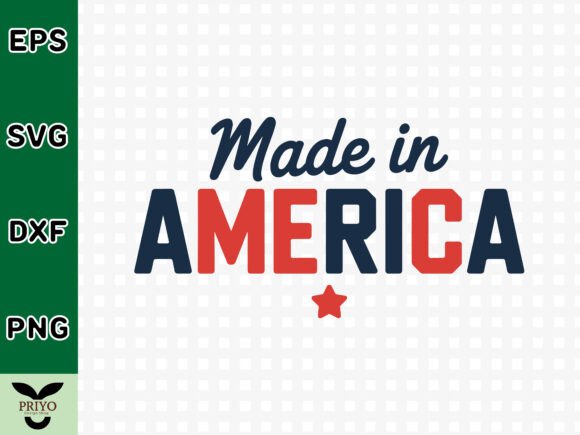
Opening the Made in America SVG file, my first thought was of a client project for a local artisan coffee roaster. They needed packaging and social media visuals that felt both handcrafted and proudly local. This graphic design asset immediately strikes a balance. The typography and decorative elements lean towards a classic, almost heritage mood, yet the clean lines suggest a modern, handmade business sensibility. It’s not overly rustic; it carries an elegance that could elevate a simple product label or become a striking hero graphic for a website.
The style inherently fits projects centered on craftsmanship, local sourcing, boutique product lines, or Etsy product launches. For a designer, this means the asset isn’t just a clipart; it’s a visual mood starter. It suggests a direction for brand identity that blends tradition with contemporary creative design.
Real-World Application: From Mockups to Merchandise
In a practical client project, say for a small pottery studio launching a “Made in America” collection, this SVG design becomes incredibly versatile. Its vector nature means it scales flawlessly for large format posters and delicate sticker design. I’ve tested it across key applications.
For large layout areas, like a storefront banner or a product mockup backdrop, it performs beautifully. The details become impactful decorative accents. On t-shirt design and tote bags, it creates a central, recognizable motif. As a watermark on website graphics or a repeated pattern on packaging design details, it reinforces the brand theme without overwhelming.
In social media graphics, particularly for Instagram posts or Pinterest pins announcing a new line, it provides a ready-made, professional focal point. For printable wall art in a retail space or as a digital product for a creative marketplace, it offers immediate commercial design value.
Where This Asset Thrives
- Hero graphics for campaign visuals or landing pages.
- Product labels and packaging design for physical goods.
- Themed collections across merchandise like mugs, posters, and apparel.
- Decorative accents in editorial design for blog articles about local business.
- Supporting brand elements in marketing visuals and Canva templates.
Designer Caveats: Contexts Requiring Careful Use
Like any design asset, its strength depends on context. In small sizes—think a tiny logo on a business card—the intricate elements may lose definition and harm readability. In crowded layouts with multiple images and text blocks, it can compete rather than complement, disrupting visual hierarchy.
It’s less suited for minimalist branding projects or professional corporate materials seeking a ultra-clean, sans-serif dominated aesthetic. On complex backgrounds, especially low-contrast ones, the design can fade, losing its emotional appeal and impact. For projects demanding stark, modern simplicity, this asset might feel too decorative.
Where to Use with Precision
- Small-scale applications where detail is critical.
- Layouts with already dense visual information.
- Brands requiring a very sleek, corporate modern design feel.
- Backgrounds that don’t offer strong contrast for the design elements.
The Professional Impact: Building Trust and Engagement
From a brand identity perspective, using a cohesive, high-quality asset like the Made in America SVG across a campaign builds visual trust. It signals that the business invests in polished creative design. This consistency aids recognition—customers start to associate that visual motif with the brand’s values of craftsmanship and locality.
The asset’s inherent emotional appeal—patriotism, quality, heritage—can directly boost audience engagement. On a social media graphics post, it immediately communicates the brand’s story, acting as a visual shorthand. This elevates the overall impression of the project from amateur to professionally curated, a crucial leap for any small business branding effort.
Essential Pre-Use Checks for the Working Designer
Before committing this asset to a real client project, I run a series of practical tests. These steps prevent mid-project surprises and ensure the final result is flawless.
- Test it in black and white. How does it hold up for potential single-color printing or grayscale applications?
- Check contrast on light and dark backgrounds. Does it maintain clarity and impact on both a white product label and a dark website graphics header?
- Preview it at small and large sizes. Examine it as a 1-inch badge and a 24-inch poster backdrop to identify any scaling issues.
- Place it on real mockups. Drop it onto a t-shirt design template, a mug mockup, and a packaging flat lay to see it in context.
- Test print quality. If the project involves physical goods, output a sample to check line crispness.
- Review file formats and editability. For Cricut projects or sublimation design, confirm the SVG paths are clean and editable. If PNGs are included, inspect transparency edges.
- Compare font styles. See how the asset interacts with a clean sans-serif for body text, or a script font for accents, to ensure harmonious visual hierarchy.
- Confirm commercial licensing. This is paramount. Never assume. Verify the asset’s license allows use for client work, print-on-demand sales, and commercial design applications before starting.
Conclusion: A Versatile Foundation for Themed Brand Projects
The Made in America SVG isn’t merely a graphic; it’s a flexible foundation. For designers working with clients in the crafts sphere, local goods, or any brand wanting to communicate quality and origin, it provides a ready-made visual vocabulary. Its strength lies in its adaptability across digital ads, printable designs, and merchandise, provided it’s applied with thoughtful consideration for scale and context.
By performing the due diligence of testing and licensing checks, a designer can confidently integrate this asset into a design bundle for a client, saving hours of creation time while delivering a coherent, professional, and engaging visual campaign. It moves the project from concept to polished execution, allowing the designer to focus on layout, messaging, and overall brand consistency—where true creativity meets elegance in professional practice.